


If you are responsible for the health and safety of building occupants this is a must read.
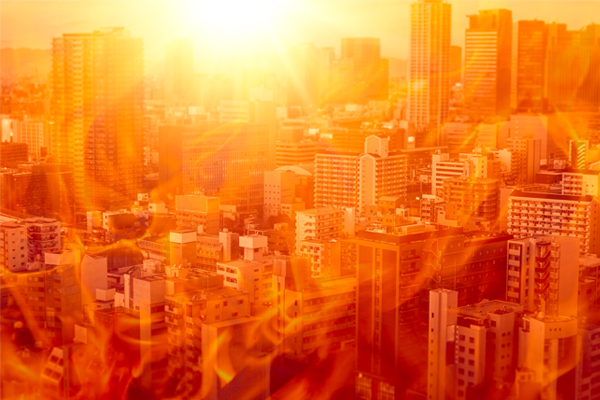
As global temperatures continue to rise, the impact of extreme heat is becoming more evident—not just outdoors but inside commercial buildings where many people spend the majority of their day. While most facilities are equipped with air conditioning systems to maintain thermal comfort, few realize that extreme heat can significantly degrade indoor air quality (IAQ), posing health and productivity risks. Understanding the relationship between heat and IAQ is critical for building managers, employers, and facility planners committed to creating safe and sustainable indoor environments.
How Extreme Heat Affects Indoor Air Quality
Extreme heat influences indoor air quality in several ways:
1. Increased VOC Emissions
Many common building materials, office furniture, paints, adhesives, and cleaning products emit volatile organic compounds (VOCs). Under high temperatures, VOC emissions accelerate, leading to a buildup of harmful indoor pollutants. These can cause eye, nose, and throat irritation, headaches, and even long-term respiratory issues.
2. Reduced Ventilation Efficiency
During heatwaves, building occupants and facility managers often keep windows closed to maintain cooler indoor temperatures. At the same time, HVAC systems may work harder to cool the space and may reduce the intake of fresh outdoor air to maintain efficiency. This reduced ventilation can cause a concentration of indoor pollutants, including CO₂ and particulate matter.
3. Moisture and Mold Growth
High temperatures often come with increased humidity. If HVAC systems aren’t properly maintained or if condensation forms in ducts and vents, this can lead to mold and mildew growth, which significantly affects respiratory health and can worsen allergies and asthma.
4. Outdoor Pollutants Entering Indoors
Wildfires, ozone, and smog—often exacerbated by heat waves—can result in poor outdoor air quality. Without proper filtration, these pollutants can seep indoors through ventilation systems or building leaks, further compromising the IAQ.
Why Indoor Air Quality Matters
Poor indoor air quality isn’t just a health concern—it’s also a productivity issue. Studies have shown that high CO₂ levels and airborne pollutants can impair cognitive function, increase absenteeism, and reduce overall employee performance. In commercial settings such as offices, schools, and healthcare facilities, maintaining clean air is essential for both well-being and operational efficiency.
Solutions for Maintaining Safe Indoor Air During Heat Waves
Addressing the challenges of extreme heat requires a multi-layered approach to improving indoor air quality:
1. Upgrade HVAC Systems
Ensure HVAC systems are up-to-date, regularly serviced, and equipped with high-efficiency filters (such as MERV-13 or higher). Consider systems with demand-controlled ventilation that adjust airflow based on occupancy and pollutant levels.
2. Monitor Indoor Air Quality
Installing IAQ monitors that track VOCs, CO₂, particulate matter, temperature, and humidity can provide real-time insights into air quality. These insights allow for proactive adjustments to ventilation and filtration systems.
3. Use Localized Air Purification Systems – Erlab’s HALO Solution
One of the most effective ways to maintain clean air during extreme heat is deploying localized air purification systems. Erlab’s HALO ceiling-suspended air purification system is a cutting-edge solution designed specifically for commercial and institutional environments.
The HALO system works by:
- Continuously filtering and recirculating air through advanced molecular and particulate filters.
- Capturing VOCs, chemical fumes, and fine particles that standard HVAC filters may miss.
- Operating quietly and efficiently without disrupting existing airflow or HVAC operations.
- Installing easily in ceiling tiles, making it ideal for retrofit projects or new builds.
Because HALO units are installed directly where people work or congregate, they provide targeted protection, ensuring clean air is delivered right where it’s needed most—even during heat waves that compromise building-wide IAQ.
4. Reduce Indoor Pollutant Sources
Select building materials and cleaning products with low or no VOCs. Implement green cleaning protocols and limit the use of high-emission materials, especially during peak heat months.
Final Thoughts
As extreme heat events become more frequent and severe, commercial buildings must adapt not just for comfort, but for health and safety. Poor indoor air quality during heat waves is a silent threat—but with the right strategies and technologies, it can be effectively managed.
Investing in advanced solutions like Erlab’s HALO ceiling-suspended air purification system ensures that indoor environments remain safe, clean, and productive, no matter how high the temperature climbs outside.
Contact us to share your thoughts and let us know how we can help.